Recovery is not rest. It's an active biological process — inflammation being resolved, tissue being repaired, glycogen being replenished, cortisol being cleared, and neural fatigue being reversed. The body does all of this automatically, but it does it dramatically better with the right botanical support. That's STP.
The Biology of Recovery
When you exercise — or do any demanding physical work — the stress you place on muscle fibers creates microscopic damage that triggers an inflammatory response. This is normal and necessary: the inflammation brings repair cells to the site, clears damaged tissue, and initiates the rebuilding that makes you stronger. The problem arises when this inflammatory response is excessive, prolonged, or poorly resolved — producing the soreness, stiffness, and fatigue that makes the next effort harder.
Recovery support is about helping the body run this process more efficiently: resolving inflammation appropriately without suppressing it completely, supporting the circulation that delivers repair resources and clears waste, and managing the cortisol dimension that determines how quickly the body shifts from breakdown to rebuilding.
STP addresses all three dimensions.
Tart Cherry — The Recovery Star
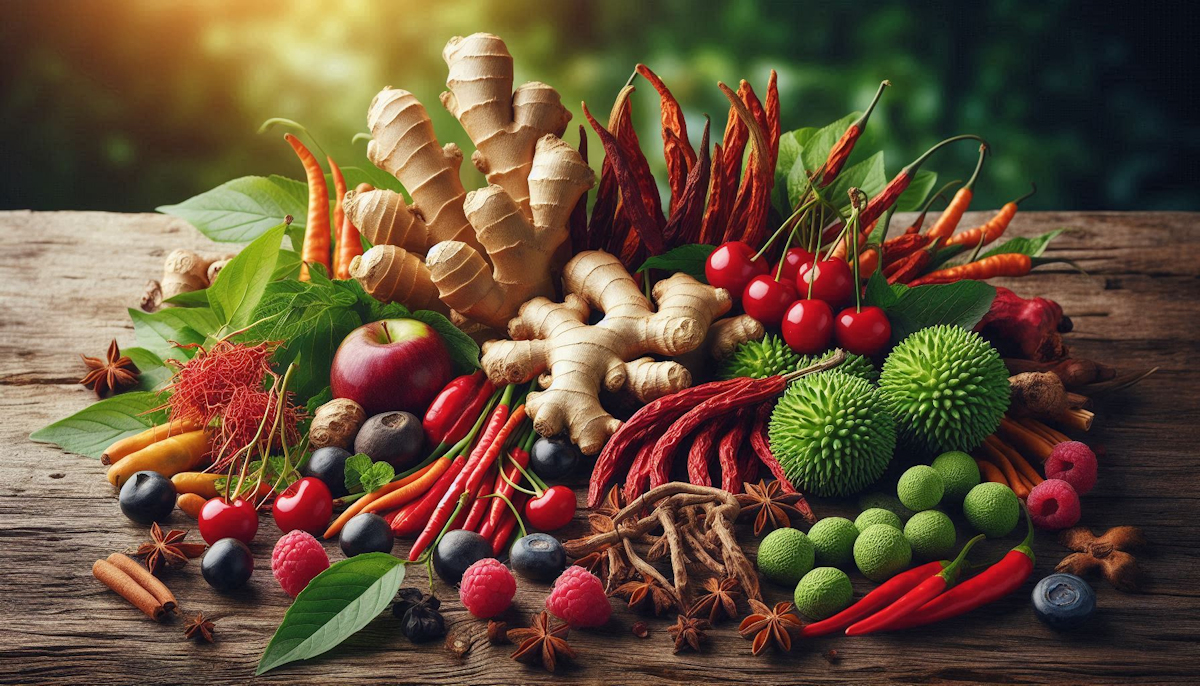
Tart Cherry (Prunus spp.) has become one of the best-researched natural recovery ingredients in exercise science, and the evidence is genuinely impressive. Its anthocyanins — the same pigments that give it that distinctive deep red — have specific documented activity for exercise-induced muscle damage.
Multiple randomized controlled trials in athletes have shown meaningful results: reduced muscle soreness scores after eccentric exercise (the kind that causes the most damage), faster recovery of strength and power output, and reduced circulating markers of exercise-induced inflammation. The mechanism works through the anthocyanins' ability to inhibit inflammatory enzymes and scavenge the reactive oxygen species that accumulate in muscle tissue during and after intense exertion.
For anyone who has trained seriously and knows the difference between productive soreness and the kind that compromises the next session, Tart Cherry's contribution to STP is the one you'll notice most directly.
Cayenne Pepper — The Circulation Catalyst
Recovery depends on circulation. The repair machinery that rebuilds damaged tissue — amino acids, glucose, oxygen, growth factors — all arrive via the bloodstream. The metabolic waste that accumulates during exertion — lactate, inflammatory mediators, cellular debris — all leave via the bloodstream. Anything that improves post-exertion circulation directly improves the efficiency of the entire recovery process.
Cayenne's capsaicin activates TRPV1 receptors that trigger vasodilation — opening blood vessels and improving blood flow specifically to the tissues that need it after exertion. It also has direct analgesic properties through the same receptor pathway, contributing to the formula's physical discomfort reduction alongside the anti-inflammatory botanicals.
The Anti-Inflammatory Foundation
STP shares several key anti-inflammatory ingredients with SLD, and that's intentional — the same inflammation that drives chronic joint discomfort is the same inflammation that needs resolution after physical exertion. Devil's Claw brings its harpagoside COX-2 inhibition. Turmeric's curcumin adds NF-κB pathway inhibition. Ginger's gingerols contribute a third anti-inflammatory mechanism alongside their circulation-enhancing vasodilatory properties. Licorice adds systemic anti-inflammatory support and soothes the gastrointestinal dimension that heavy training can stress.
Together they create a comprehensive multi-pathway anti-inflammatory response that helps resolve exercise-induced inflammation efficiently without suppressing it to the point of impairing the adaptive response that training is supposed to produce.
Ashwagandha — The Recovery Hormone
This is where STP gets interesting from an endocrinology perspective. Physical exertion — particularly intense exertion — elevates cortisol. In the short term during exercise, this is appropriate and necessary. But cortisol that remains elevated after exercise actively impairs recovery: it suppresses protein synthesis, inhibits testosterone and growth hormone signaling, and delays the shift from the catabolic (tissue breakdown) state of exercise to the anabolic (tissue building) state of recovery.
Ashwagandha's cortisol-modulating properties don't blunt the cortisol response during exercise — they help the body clear it afterward, accelerating the transition to the anabolic recovery window. Research has shown Ashwagandha supplementation associated with improved muscle recovery and reduced exercise-induced cortisol in athletes. In STP's recovery context, it addresses the hormonal dimension of recovery that botanical anti-inflammatories alone don't reach.
Raspberry and Grape Extract
Both contribute significant antioxidant coverage — Raspberry's ellagic acid and anthocyanins protecting recovering muscle cells from continued oxidative stress, and Grape Extract's resveratrol adding cardiovascular and cellular antioxidant protection that supports the overall recovery environment. The antioxidant load in STP is broad and layered, covering the tissue protection dimension from multiple botanical angles.