
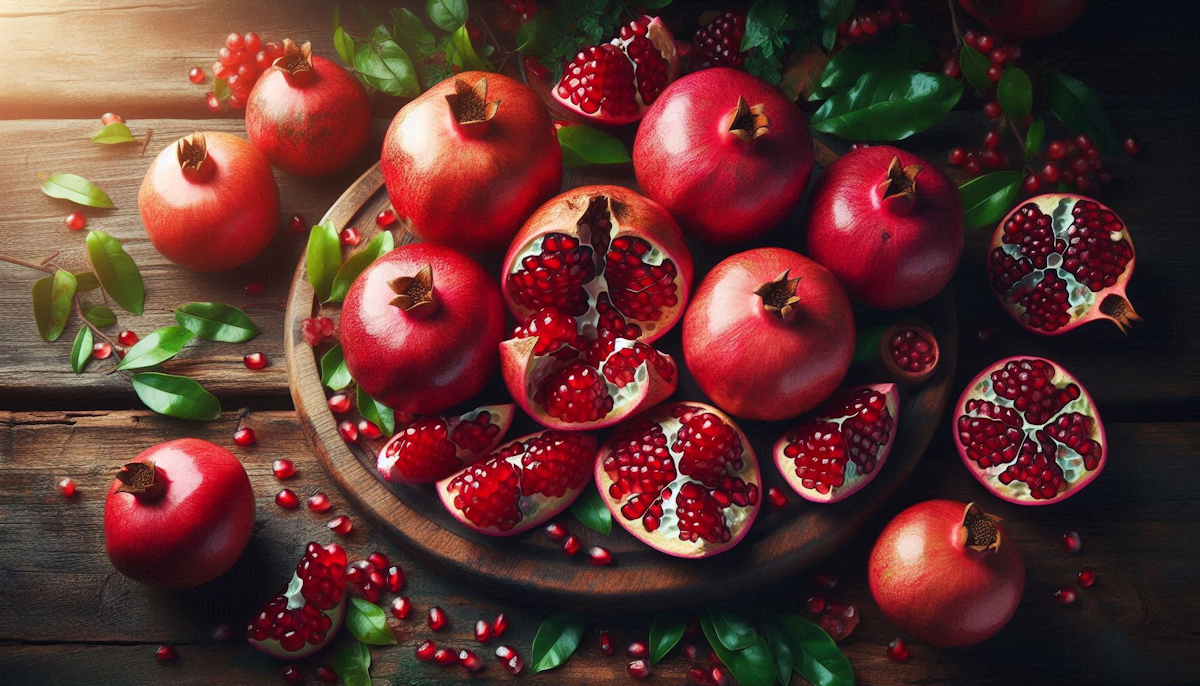
Pomegranate contains punicalagins with antioxidant activity three times greater than red wine. Those punicalagins are converted by gut bacteria into urolithins — molecules that induce mitophagy, the selective recycling of damaged mitochondria — one of the most important cellular housekeeping processes for sustained muscle function and healthy aging. Controlled clinical trials have documented 24 percent increases in salivary testosterone, reduced carotid intima-media thickness (a direct measure of atherosclerosis progression), and improvements in endothelial function and blood pressure. This is not a fruit that is famous for being healthy because someone said so. The clinical research is specific, consistent, and mechanistically explained.
Punicalagins — The Unique Antioxidant
Punicalagins are found in their highest concentrations in pomegranate rind and juice and exist in no other common food to the same degree. Antioxidant activity three times that of red wine. Twice that of green tea. They are hydrolyzed in the digestive system to release ellagic acid, which gut bacteria then convert to urolithins. The conversion depends on specific gut bacteria — not all individuals produce urolithins efficiently — making gut microbiome health a determinant of how much benefit individuals receive from pomegranate. This is the gut-botanical connection made concrete: the same food produces different outcomes depending on the microbial ecosystem in the consumer.
The Male Vitality Research
Twenty-four percent increase in salivary testosterone over two weeks of pomegranate juice consumption in a published trial. Improvements in erectile function measures in randomized research. Antioxidant protection of Leydig cells in the testes that produce testosterone. Reduction of inflammatory cytokines that suppress testosterone at the testicular level. The mechanisms are clear and the early clinical evidence is consistent. The evidence base is not yet as deep as the cardiovascular research, but the direction is clear and the biological plausibility is strong. Pomegranate belongs in the conversation about male vitality for reasons that go beyond marketing.