Every cell in your body has an expiration date built into it — not because biology is cruel, but because controlled cellular renewal is how living organisms maintain themselves over time. The question isn't whether your cells age. It's whether they age well. LFT is formulated around that question.
Cellular Aging: What's Actually Happening
At the cellular level, aging is driven by a handful of interconnected mechanisms. Telomere shortening limits how many times cells can divide. Accumulated oxidative damage degrades cellular machinery. Chronic inflammation disrupts cellular signaling and accelerates the aging process at every level. Mitochondrial dysfunction reduces energy production. And declining detoxification capacity allows metabolic waste products to accumulate and further compromise cellular function.
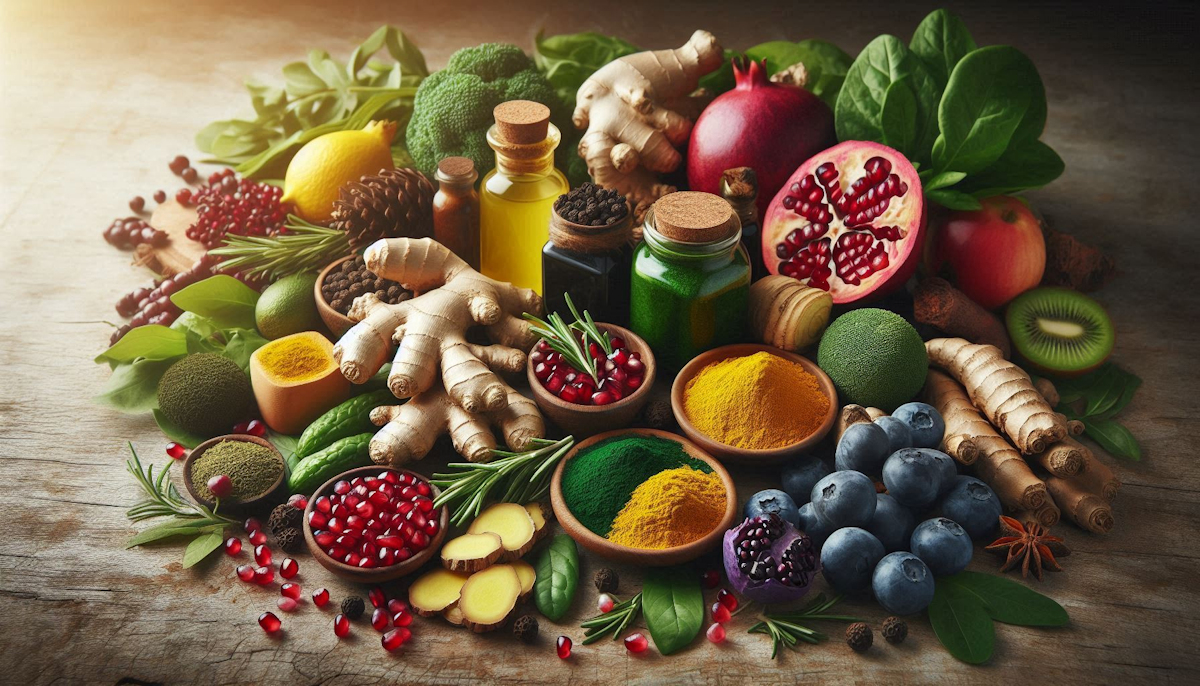
LFT addresses all of these mechanisms through its ingredient selection. Not one at a time — simultaneously, through a formula where each ingredient was chosen for a specific cellular target.
Resveratrol — The Longevity Molecule
Resveratrol became one of the most talked-about compounds in longevity research when scientists discovered it activates a class of proteins called sirtuins — specifically SIRT1 — that are associated with extended lifespan in multiple model organisms. It also demonstrates powerful antioxidant activity, cardiovascular protection through endothelial function improvement, and anti-inflammatory effects at the cellular level.
LFT's resveratrol comes from Japanese Knotweed (Reynoutria japonica) rather than red grape skin — a deliberate formulation choice that matters. Japanese Knotweed contains dramatically higher resveratrol concentrations than grapes, making it the superior botanical source for standardized, potent resveratrol delivery. It's a case where the less famous source outperforms the famous one by a significant margin.
Red Grapes are also in LFT, contributing additional resveratrol alongside anthocyanins and proanthocyanidins for complementary cardiovascular and antioxidant benefits.
Turmeric + Black Pepper — The Bioavailability Partnership
Curcumin, turmeric's primary active compound, has one of the most impressive research profiles of any botanical — anti-inflammatory, antioxidant, neuroprotective, hepatoprotective, potentially anti-carcinogenic at the cellular level. It has one significant problem: left to its own devices, only around 1% of consumed curcumin is absorbed. The rest is metabolized and excreted before it can do anything useful.
The solution is piperine from Black Pepper, which inhibits the specific enzyme (CYP3A4) responsible for curcumin's rapid breakdown. Studies show bioavailability increases of 2,000% or more when the two are combined — turning curcumin from a nearly inaccessible compound into one the body can actually use. LFT includes both explicitly for this reason. This combination also appears in Ayurvedic formulations that predate modern pharmacology by thousands of years, another example of traditional wisdom getting ahead of laboratory confirmation.
Spirulina — Nutrition at the Cellular Level
Spirulina is a blue-green microalgae that has been consumed as a food source by human civilizations — including the Aztecs — for centuries. Its nutritional profile is exceptional: complete protein with all essential amino acids at concentrations that rival animal proteins, B vitamins including B12, iron, magnesium, potassium, and beta-carotene. But in a cellular vitality formula, it's the phycocyanin that earns its place.
Phycocyanin — the pigment that gives spirulina its distinctive blue-green color — is a potent antioxidant with specific anti-inflammatory properties. Research has shown it inhibits the production of inflammatory cytokines and scavenges reactive oxygen species with particular efficiency. It also supports immune function and has demonstrated some of the most promising detoxification activity of any algae-derived compound in research settings.
Milk Thistle — The Cellular Detox Support
Cellular vitality depends on the liver's ability to clear the metabolic waste products that accumulate as byproducts of normal cellular function. Milk Thistle's silymarin protects liver cells from oxidative damage, supports their regeneration, and maintains the hepatic function that keeps cellular waste from accumulating to levels that impair function. In a longevity formula, liver support isn't incidental — it's structural.
Rosemary — The Overlooked Cognitive Protective
Rosemary (Rosmarinus officinalis) contributes rosmarinic acid and carnosic acid — antioxidants with documented neuroprotective properties. Research has associated rosemary compounds with inhibition of the enzyme (acetylcholinesterase) that breaks down acetylcholine, potentially supporting the neurotransmitter levels associated with memory and cognitive function. For a formula focused on healthy aging, protecting cognitive function is as important as protecting cellular function generally.
Siberian Larch — The Prebiotic Dimension
Siberian Larch (Larix sibirica) contributes arabinogalactan — a complex polysaccharide that functions as a prebiotic, feeding the beneficial bacteria in the gut microbiome. The gut-longevity connection is one of the most active areas of longevity research: gut microbiome composition is significantly associated with inflammatory status and with the speed of biological aging. Siberian Larch's prebiotic contribution adds a microbiome dimension to LFT's cellular support that most longevity formulas overlook entirely.