
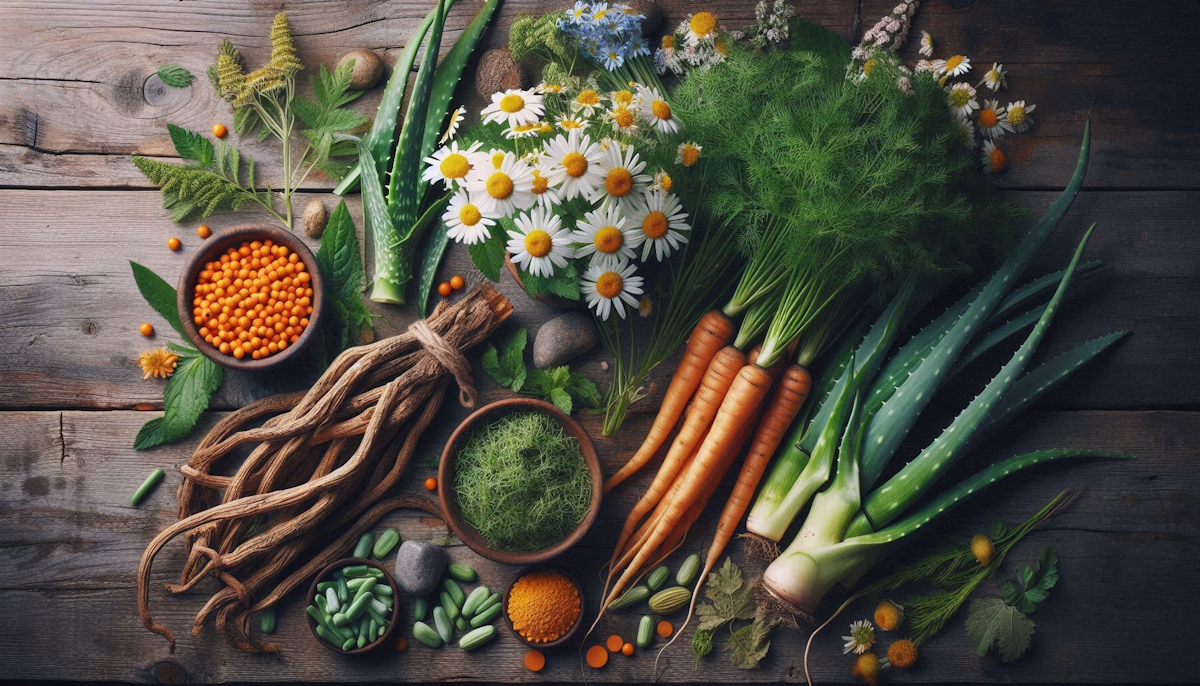
The gut is not just a digestion tube. It houses roughly 70% of the body's immune system, produces more serotonin than the brain, and communicates constantly with every major organ through the gut-brain axis, the gut-liver axis, and the vagus nerve. When the gut is unhappy, very little else works right. ICE takes gut health seriously.
What Digestive Comfort Actually Requires
Digestive discomfort has multiple distinct causes — spasms, inflammation, gas, impaired motility, irritated gut lining, disrupted microbiome, inadequate digestive secretions — and what resolves one doesn't necessarily address another. ICE is formulated to cover the full spectrum of common digestive complaints through a botanical blend that addresses all of these mechanisms simultaneously.
The Soothing Layer
Licorice Root (Glycyrrhiza glabra)
Licorice is one of the most ancient digestive remedies in human history — found in the pharmacopeia of traditional Chinese medicine, Ayurveda, and European herbal medicine simultaneously, all reaching similar conclusions from independent observation. Its primary active compound, glycyrrhizin, has documented cytoprotective effects on the gastric mucosa — it doesn't just reduce symptoms, it actually helps protect the cells of the stomach lining from damage and promotes their healing.
The flavonoids in licorice add anti-inflammatory action in the gut wall, while glycyrrhizin's demulcent properties create a protective coating effect on irritated tissue. Research has confirmed its benefits for functional dyspepsia, gastritis, and related conditions. Its taste — that distinctive sweet anise quality — is itself biologically active, triggering digestive enzyme secretion that supports the breakdown of food.
Aloe Vera (Aloe barbadensis miller)
Internally, Aloe Vera works very differently from the topical skin application most people know. Its polysaccharides — particularly acemannan — have specific anti-inflammatory and tissue-repair activity in the gastrointestinal tract. Research has shown aloe vera gel supplementation associated with reduced symptoms in IBS and mild inflammatory bowel conditions, improved intestinal permeability (the "leaky gut" phenomenon), and gentle regulation of bowel movements without the cramping associated with stimulant laxatives.
The mucilaginous quality of aloe — that thick, gel-like consistency — translates internally into a coating and lubricating effect on the gut lining that provides physical protection alongside its biochemical anti-inflammatory action.
Chamomile Flower (Matricaria chamomilla)
Chamomile's digestive applications are as well-established as its anxiety-reducing ones. Its active compounds — apigenin and bisabolol — exert antispasmodic effects on the smooth muscle of the digestive tract, reducing cramping and spasm without impairing normal motility. Chamomile also contributes carminative properties (relieving gas) and anti-inflammatory effects specifically in the intestinal wall. It's the botanical equivalent of telling your gut to calm down — and research confirms it actually works.
Meadowsweet (Filipendula ulmaria)
Meadowsweet is less well-known than the other ingredients but historically fascinating — it's the plant from which aspirin's active compound (salicylate) was originally derived, long before pharmaceutical chemists synthesized it. Unlike pharmaceutical salicylates which can irritate the stomach, Meadowsweet actually protects the gastric mucosa while providing its anti-inflammatory benefit. It's used specifically in European phytomedicine for digestive inflammation, acidity, and indigestion. The irony is that the original plant is gentler on the stomach than the derivative drug made from it.
The Relief Layer
Mint Oil (Mentha spp.)
Mint oil earns the most clinical research credits in ICE. Peppermint oil specifically has been tested in multiple randomized controlled trials for IBS, consistently demonstrating significant symptom relief for abdominal pain and bloating. The mechanism — menthol's effect on calcium channels in intestinal smooth muscle — produces direct relaxation of the intestinal wall, reducing spasms, easing the passage of gas, and relieving the cramping discomfort that accompanies digestive stress.
In ICE's sublingual format, mint compounds absorb directly through the oral mucosa and reach the digestive tract quickly, making this one of the most immediately effective ingredients in the formula for acute digestive discomfort.
The Gut Integrity Layer
Sea Buckthorn (Hippophae rhamnoides)
Sea Buckthorn's unusual omega-7 fatty acid content (palmitoleic acid) is specifically associated with mucous membrane health — and the gut lining is a mucous membrane. Adequate essential fatty acids are required for the gut epithelium to maintain its structural integrity and the mucus layer that protects against bacterial translocation and direct irritation from digestive contents. Sea Buckthorn also contributes significant antioxidant protection to the intestinal tissue, rounding out the formula's gut-protective profile.
Carrot (Daucus carota)
Carrot contributes beta-carotene — the precursor to Vitamin A, which is essential for the maintenance and renewal of mucosal tissue throughout the digestive tract — and dietary fiber that supports the transit and microbiome environment that healthy digestion depends on. It's foundational nutrition for the gut done right.
The Gut-Everything Connection
It's worth stating plainly: gut health is not a niche concern for people with digestive complaints. The gut's role in immune function, mood regulation (through serotonin production), inflammation management, and overall systemic health makes it foundational to every other dimension of wellness. Supporting it with ICE isn't just about avoiding stomach discomfort — it's about maintaining the platform that everything else runs on.