Your heart beats approximately 100,000 times per day — roughly 37 million times per year — without ever asking for a break or a thank you. The least we can do is give it serious botanical support. HRT takes that seriously.
Why Cardiovascular Botanical Support Matters
Cardiovascular disease remains the leading cause of death globally, and the risk factors — oxidative stress, inflammation, arterial stiffness, blood pressure dysregulation, impaired endothelial function — begin accumulating decades before any clinical symptoms appear. The most powerful interventions are the ones that start early: diet, exercise, stress management, and targeted botanical support that addresses these mechanisms while they're still operating in the subclinical range.
HRT is a botanical cardiovascular support formula — not a treatment for heart disease, but a well-designed daily complement to a heart-healthy lifestyle. Let's look at what's in it and why the combination works.
Hawthorn — The Botanical Heart Tonic
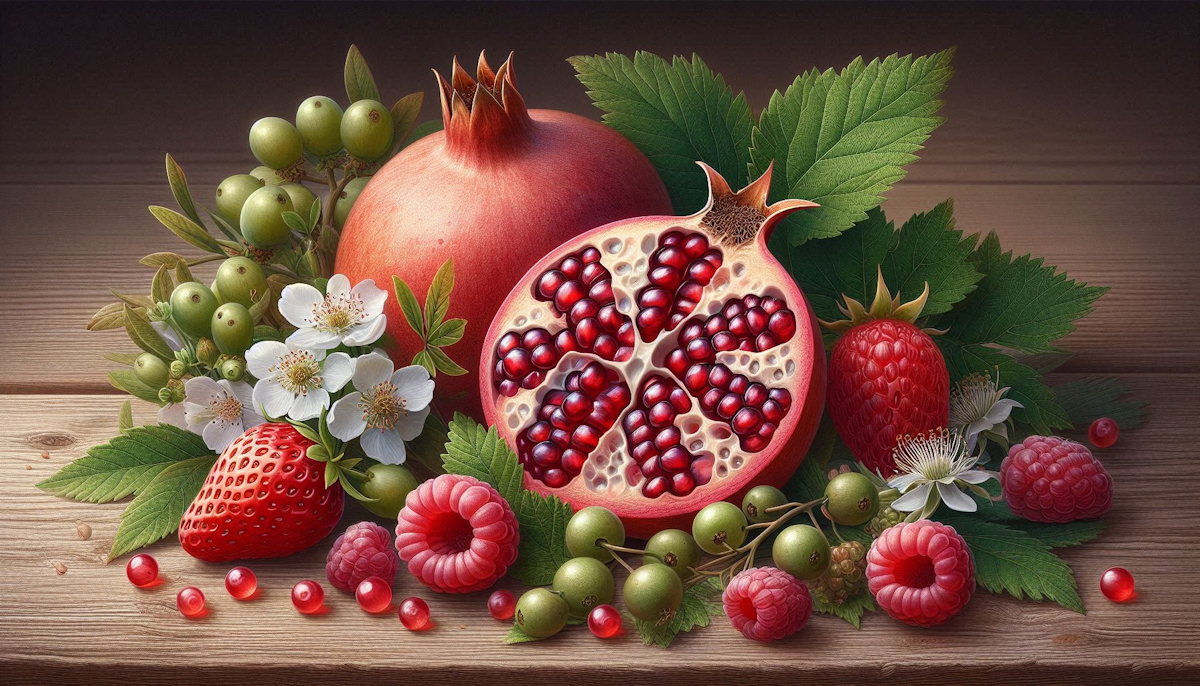
Hawthorn (Crataegus monogyna/laevigata) has been used in European medicine for heart health for centuries, and modern research has validated what traditional herbalists observed. It's one of the few botanicals with specific, multi-mechanism cardiovascular evidence that includes clinical trials in people with diagnosed cardiac conditions.
Its proanthocyanidins and flavonoids — particularly vitexin and oligomeric proanthocyanidins (OPCs) — work through a remarkable combination of mechanisms: they improve myocardial contractility (the efficiency of the heart's pumping action), dilate coronary arteries to increase blood flow directly to the heart muscle, reduce peripheral vascular resistance which lowers the pressure the heart works against, and provide potent antioxidant protection to the vascular wall that prevents the oxidative damage driving atherosclerosis.
Clinical trials in mild cardiac insufficiency have consistently demonstrated improved exercise tolerance, reduced symptoms, and favorable effects on cardiac biomarkers with Hawthorn supplementation. For healthy individuals focused on prevention, these mechanisms translate to long-term heart health investment.
The Antioxidant Vascular Shield
Cardiovascular disease is, at its foundation, largely an inflammatory and oxidative process. Free radicals oxidize LDL cholesterol, creating the modified form that initiates arterial plaque formation. Chronic inflammation damages the endothelium — the inner lining of blood vessels — compromising its function and initiating the cascade that leads to atherosclerosis. HRT's antioxidant profile specifically targets these mechanisms.
Pomegranate (Punica granatum)
Pomegranate's punicalagins are some of the most potent polyphenols ever identified, with specific, documented cardiovascular activity. Clinical research has shown pomegranate supplementation associated with significant reductions in systolic blood pressure, improved arterial elasticity, reduced carotid intima-media thickness (a direct marker of arterial aging), and inhibition of LDL oxidation. It also inhibits ACE (angiotensin-converting enzyme) activity through a natural mechanism — essentially doing what ACE-inhibitor medications do, from a food-derived botanical source.
Grape (Vitis vinifera)
Grape's resveratrol is one of the most researched cardiovascular compounds in nutrition science, associated with improved endothelial function, reduced platelet aggregation, cardioprotective antioxidant activity, and favorable effects on cholesterol profiles. The proanthocyanidins from grape seeds add additional cardiovascular antioxidant protection and direct effects on vascular health. Together, grape provides broad-spectrum vascular protection.
Wild Strawberry and Raspberry
Both contribute ellagic acid — an antioxidant with specific anti-inflammatory and vascular protective properties — alongside anthocyanins and quercetin that support endothelial function and healthy circulation. Wild Strawberry's ellagic acid has been specifically associated with protection against oxidative damage to blood vessel walls.
White Mistletoe — The Underappreciated Cardiovascular Botanical
White Mistletoe (Viscum album) is the most unusual ingredient in HRT and the one most people know least about. Used in European integrative medicine for cardiovascular conditions for over a century, its active compounds — lectins, viscotoxins, and flavonoids — contribute to normalized blood pressure through effects on the autonomic nervous system's cardiovascular regulation. Research has associated mistletoe with improved heart rate variability — a key marker of healthy cardiac autonomic function — and mild vasodilatory effects that complement the blood pressure support of pomegranate from a different mechanism.
A Note on the Population Who Needs This
HRT is relevant for a broader population than most people assume. Anyone over 35 with family history of cardiovascular disease, anyone with mild blood pressure elevations in the "high normal" range, anyone with metabolic risk factors like abdominal obesity or elevated blood sugar, and anyone leading an active life who wants their vascular system to support that activity for decades — all of these people have good reasons to consider targeted cardiovascular botanical support. Prevention is when it matters most.