
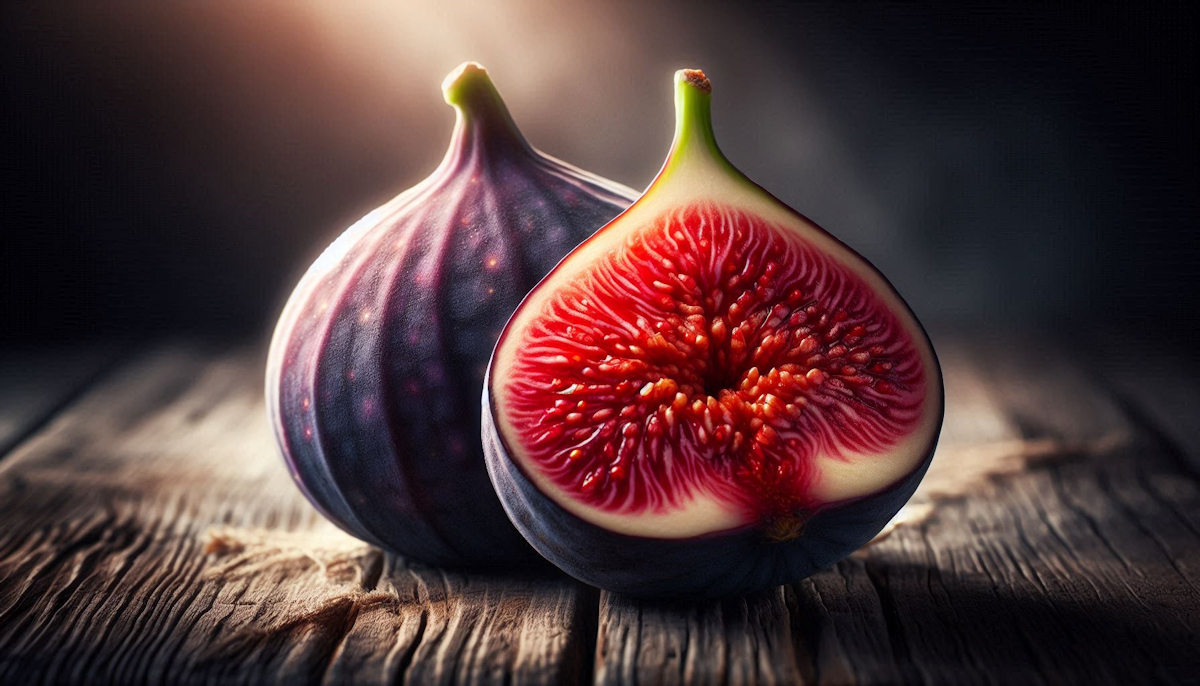
The fig — Ficus carica — has been consumed by humans for at least eleven thousand years, making it one of the first plants ever cultivated. It appears in the mythology and medicine of ancient Mesopotamia, Egypt, Greece, Rome, the Middle East, and China simultaneously, used as a vitality food, a digestive aid, and a component of traditional reproductive health support across cultures with no shared medical tradition. Modern nutrition science has spent the last few decades understanding why. The answer involves a unique proteolytic enzyme, documented prebiotic fiber effects, zinc, and polyphenols that make this ancient fruit considerably more complex than its reputation for sweetness suggests.
Ficin — The Enzyme You Have Never Heard Of
Ficin is a cysteine protease enzyme unique to figs, active across the broad pH range of the digestive tract. It assists in breaking down dietary proteins from both acidic stomach to neutral small intestine — supplementing the body's own pepsin and pancreatic protease activity. The practical results are improved protein utilization efficiency and reduced postprandial bloating from incomplete protein digestion. This enzyme gives figs a digestive support dimension not shared by most other fruits, and it is one of several reasons why traditional medicine documented figs specifically for post-meal digestive comfort rather than simply as a food.
Prebiotic Fiber and the Gut Microbiome
The soluble fiber in figs — pectin and fructooligosaccharides — feeds Lactobacillus and Bifidobacterium species, supporting the short-chain fatty acid production that fuels colonocytes, reduces intestinal inflammation, and strengthens the gut barrier. Research has demonstrated increased Bifidobacterium counts and improved bowel regularity with regular fig consumption. The insoluble fiber provides mechanical bowel regularity support. Combined with ficin's protein digestive assistance, figs support digestive function from multiple angles simultaneously. That is nutritional complexity worthy of eleven thousand years of cultivation.