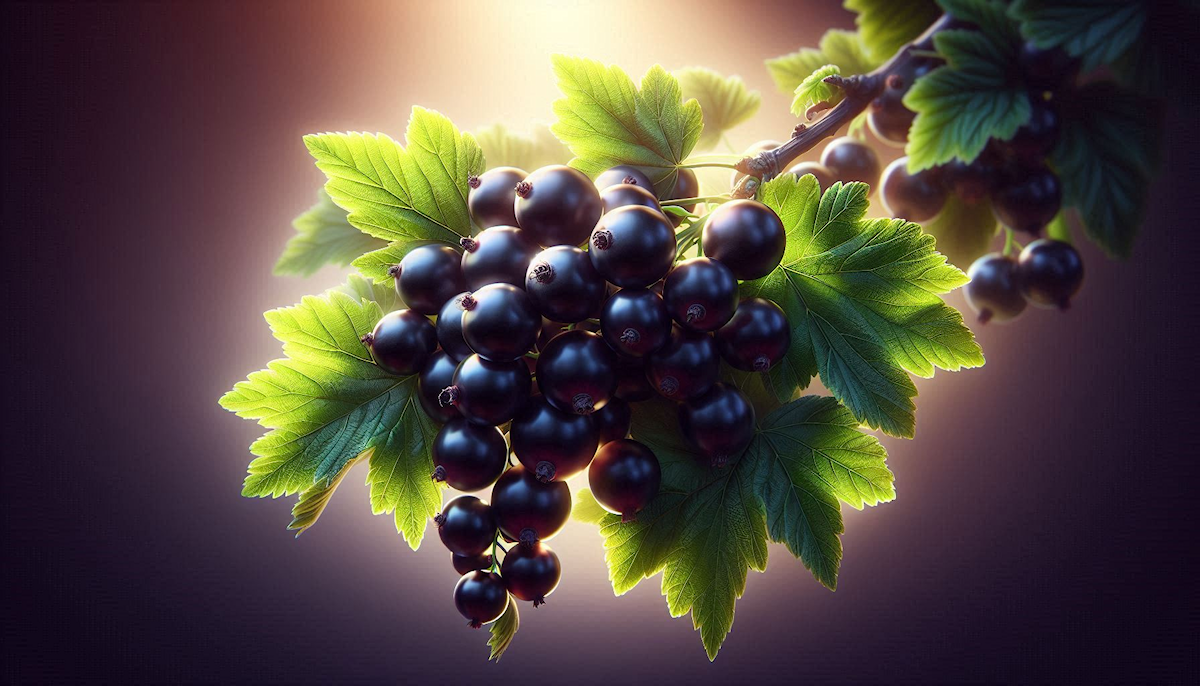
Four times the vitamin C of oranges. More anthocyanins than blueberry. Gamma-linolenic acid in its seed oil that takes an anti-inflammatory metabolic pathway distinct from typical omega-6 fatty acids. Black currant is not particularly famous in North America — it was banned in the United States for most of the twentieth century because of its role as an alternate host for a pine blister rust affecting the timber industry. Europe, meanwhile, has been consuming and researching it for centuries. The science is extraordinary. The phytochemical profile is extraordinary. And most people in this country have never tried it.
Vitamin C in a Category of Its Own
Approximately 180 to 200 milligrams of vitamin C per 100 grams of fresh berries — four times the concentration in oranges, comparable to guava and acerola cherry. In a respiratory and immune context, that vitamin C density matters in specific ways. Vitamin C is required for lymphocyte proliferation and function, neutrophil activity, and natural killer cell activity. It maintains the integrity of respiratory epithelial cells — the mucosal barrier that is the first physical defense against inhaled pathogens. And it is consumed rapidly under oxidative stress, meaning the body's requirements increase exactly when infection or illness is present.
Anthocyanins With a Distinctive Profile
Black currant's anthocyanin profile — primarily cyanidin-3-glucoside and delphinidin-3-glucoside — provides antioxidant activity, anti-inflammatory cytokine modulation, and immunomodulatory effects comparable to bilberry in research comparisons. The combination of high-potency anthocyanins with the most concentrated commonly consumed fruit source of vitamin C and the anti-inflammatory GLA from seed oil creates a phytochemical profile no other berry replicates.
Northern Europe knew this centuries before the science existed to explain it. The United States banned the plant for timber industry reasons and missed out on that tradition. The science is now available. The berry is now legal to grow. The phytochemical case is made.