
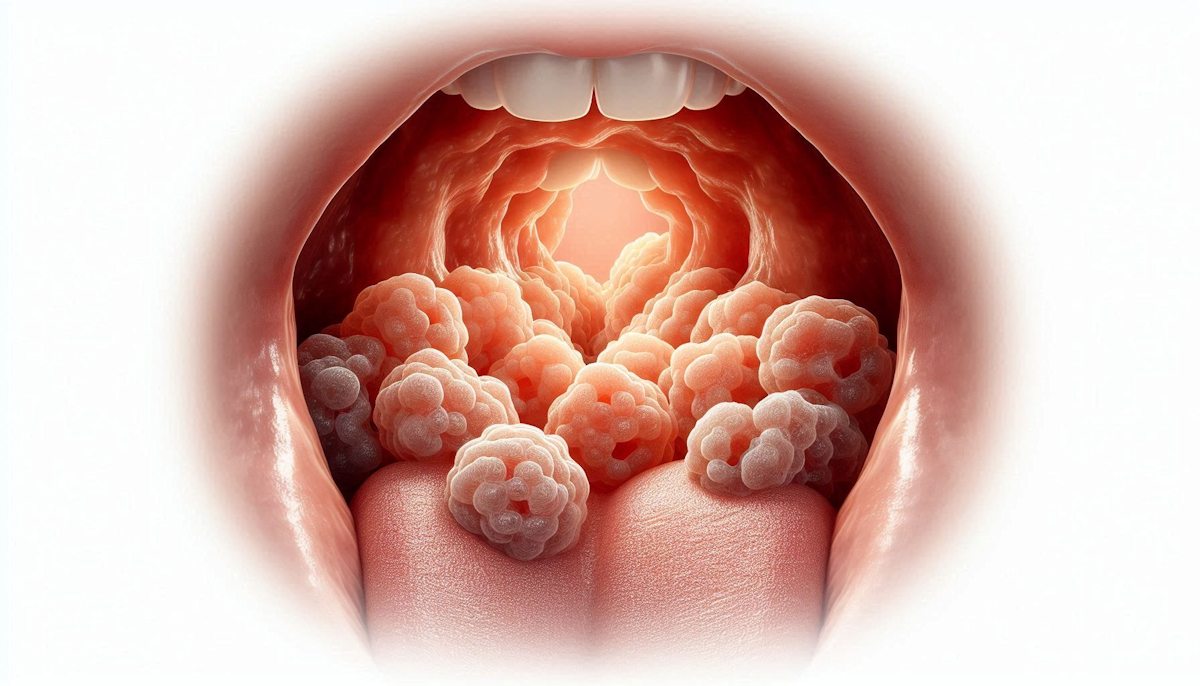
Have you ever experienced the unsettling sensation of discovering small, white, often foul-smelling stones in your mouth? These tiny culprits, medically known as tonsil stones or tonsilloliths, are a surprisingly common phenomenon. While they may seem alarming, understanding their origin and how to manage them brings significant relief — because they are almost always harmless, very manageable, and not the sign of anything seriously wrong.
What They Are and How They Form
Tonsil stones are calcified deposits that form in the crevices and pockets of the tonsils — the two lumps of lymphatic tissue at the back of your throat. They range in size from a grain of rice to a small pea. The most notable characteristic is their distinct and often unpleasant odor.
Formation is a multi-stage process. The tonsils, with their irregular surfaces and deep crypts, are natural traps for food particles, dead cells, mucus, and bacteria. Oral bacteria colonize this trapped debris and begin decomposing it — producing volatile sulfur compounds that are responsible for the odor. As decomposition progresses, the organic material mineralizes. Saliva contains calcium and other minerals that contribute to this calcification. Over time, these mineral deposits solidify into the hard, stone-like structures we call tonsil stones.
Who Gets Them and Why
Several factors increase susceptibility. Poor oral hygiene allows greater accumulation of food debris and bacteria. Chronic tonsillitis creates deeper crypts and more trapping opportunity. Post-nasal drip from allergies provides additional organic material to the tonsil area. Smoking alters the oral bacterial environment. Dehydration leads to thicker mucus and reduced natural flushing.
Managing Them at Home
For small, asymptomatic stones, excellent oral hygiene is usually sufficient. Thorough twice-daily brushing including the back of the tongue, daily flossing, and tongue scraping remove the raw materials before they accumulate. Daily warm salt water gargling creates an inhospitable environment for the bacteria responsible for stone formation. A water flosser on its lowest setting can gently irrigate tonsil crypts.
Staying well hydrated maintains saliva flow that naturally flushes debris. Managing underlying post-nasal drip reduces one of the primary materials contributing to formation. Avoiding sharp objects and aggressive removal attempts is critical — the tonsil tissue is fragile and highly vascular, and aggressive probing can cause bleeding or infection.
When to See a Doctor
Most people can manage tonsil stones comfortably at home. Seek medical attention for persistent severe bad breath unresponsive to thorough hygiene, significant throat pain, difficulty swallowing, large or rapidly growing stones, or frequent recurrence despite good oral habits. Medical options range from professional removal to coblation procedures to, in severe recurrent cases, tonsillectomy.
Understanding that tonsil stones are a benign condition alleviates most of the anxiety they cause. They are not a sign of serious disease. They are a plumbing issue in the tonsil architecture, and with the right habits, most people can significantly reduce their occurrence.