
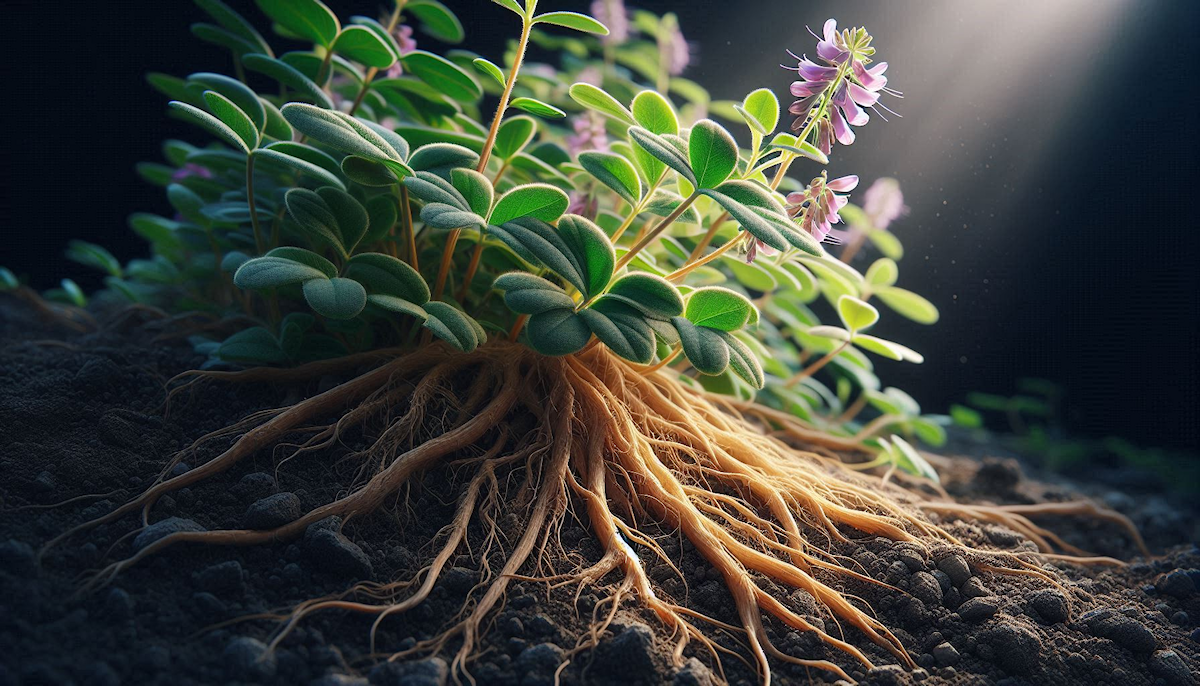
Licorice root — Glycyrrhiza glabra — is one of the most widely used botanical compounds in the history of medicine. It appears in ancient Egyptian, Greek, Chinese, Ayurvedic, and Middle Eastern healing traditions simultaneously, used for respiratory conditions, gastric complaints, liver health, and mood support across cultures with no shared pharmacopeia. Glycyrrhizin, its primary bioactive compound, is 50 times sweeter than sucrose and modulates cortisol metabolism through a specific enzyme inhibition mechanism. The sweet and savory truth about this root is considerably more complex than its candy flavor suggests.
Glycyrrhizin and Cortisol
Glycyrrhizin inhibits 11-beta-hydroxysteroid dehydrogenase type 2, the enzyme that converts active cortisol to its inactive metabolite in peripheral tissues. By inhibiting this conversion, it extends the biological activity of available cortisol. At moderate doses in the short term, this supports individuals with low cortisol or adrenal fatigue by prolonging the activity of their existing cortisol rather than adding external cortisol. At high doses or with extended use, excessive cortisol-mimetic activity can cause pseudohyperaldosteronism — elevated blood pressure and potassium depletion. This dual nature — therapeutic at appropriate doses, potentially harmful at excessive ones — is why licorice root requires intelligent use, not avoidance.
The Gastric and Anti-Inflammatory Dimension
Glycyrrhizin inhibits phospholipase A2 — the enzyme initiating the prostaglandin and leukotriene cascade — through a mechanism similar to corticosteroid drugs. Japanese pharmaceutical applications of glycyrrhizin for inflammatory liver disease are based on this mechanism. Deglycyrrhizinated licorice removes the hormonal activity while preserving the gastroprotective mucus-stimulating properties, making DGL one of the most widely used functional medicine preparations for gastric conditions. Traditional medicine used the whole root. Modern medicine has learned to choose the relevant fraction for each application.
Sweet enough to be candy. Complex enough to modulate cortisol, serotonin, GABA, and prostaglandins simultaneously. The truth about licorice root is that it is one of the most pharmacologically sophisticated botanicals in the traditional medicine toolkit — and the science has only confirmed what millennia of empirical use suggested.