
Forever Living Products — founded in 1978, operating in 160 countries, with nearly 9.3 million distributors worldwide — has announced it will cease US sponsorship and recruitment operations effective May 1, 2026. This is not a minor operational adjustment. This is a seismic event in the network marketing industry, and it deserves a clear-eyed analysis that starts with the people it directly affects.
What Actually Happened
The announcement came with a phrase that anyone watching the direct sales industry should recognize immediately: "evolving regulatory expectations." Forever Living stated that ongoing compliance monitoring and structural obligations — extending beyond conventional advertising or disclosure requirements — have made the existing US business model untenable. Continuing, they said, would expose the company to regulatory risks capable of jeopardizing its international operations.
The programs being affected are not peripheral. Eagle Manager, Gem Bonus, Chairman's Bonus, Forever2Drive — these are the achievement milestones that distributors spent years working toward. People built real income, real careers, and real financial plans around these structures. Before any industry analysis happens, that reality deserves to be named honestly. This is not a moment for competitive gloating. It is a serious, disruptive event for a large number of people who made legitimate choices based on promises that are now changing.
What "Evolving Regulatory Expectations" Actually Means
The FTC's approach to network marketing has been sharpening for years. The core question regulators ask is straightforward but consequential: Is the business primarily moving products to genuine end consumers — people who want the product for its own value — or is it primarily moving products through a chain of participants who are themselves the end consumers, purchasing to maintain qualification for commissions?
The distinction matters enormously because the second model is functionally a pyramid structure, regardless of whether a real product exists. When participants are primarily buying product to stay eligible for recruitment bonuses rather than because they genuinely want the product, the income of those at the top is derived from the purchases of those being recruited below them. That is the pattern regulators target.
Forever Living's structure, after decades of operation, apparently could no longer satisfy the evolving regulatory standard for demonstrating that retail sales to genuine end consumers constituted the primary revenue driver. Rather than face an enforcement action that could create a precedent threatening its global operations, the company chose proactive structural withdrawal from the US market.
This Is Bigger Than Forever Living
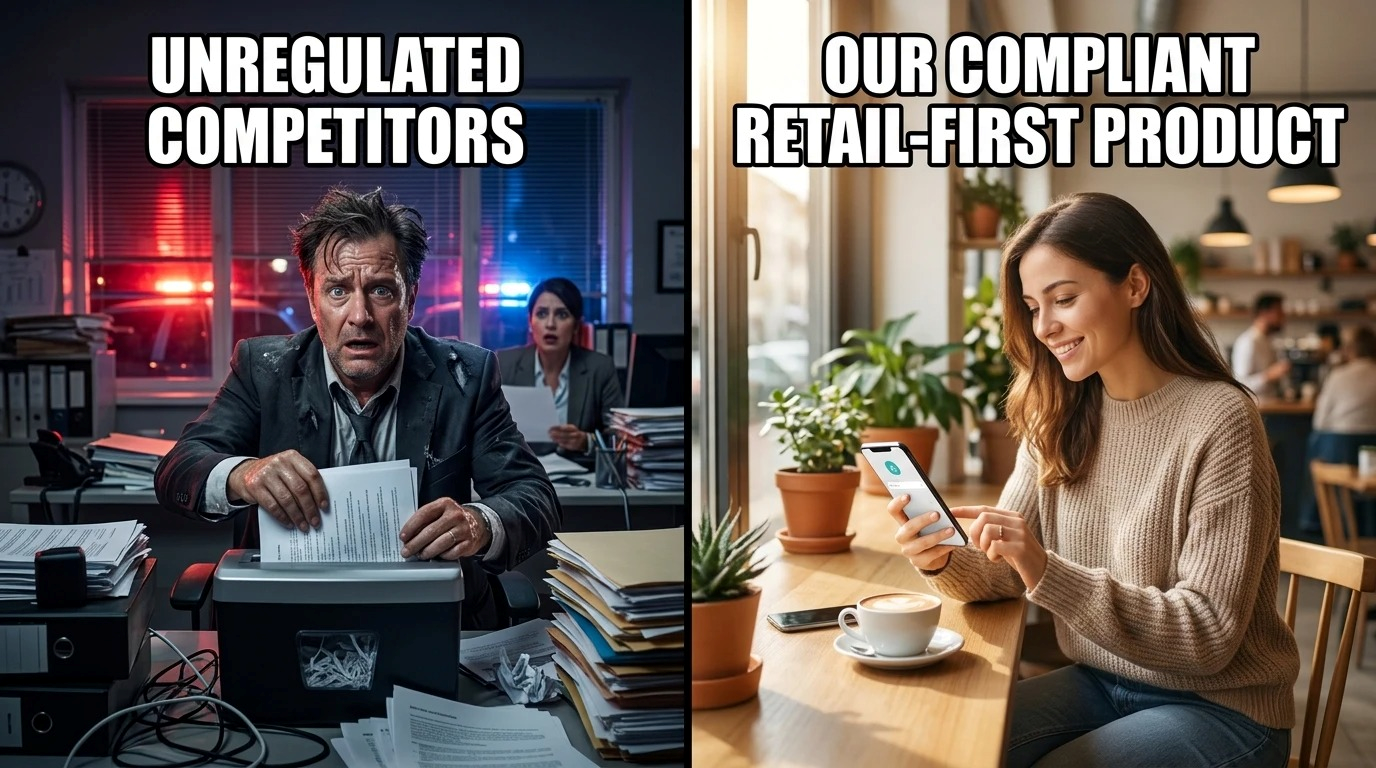
Forever Living is not an outlier. It is a signal. The regulatory environment for direct sales in the United States has been ratcheting tighter for years, and the fundamental question of how companies demonstrate genuine retail-driven revenue versus recruitment-driven revenue has no easy answer under many traditional network marketing compensation structures.
The companies that will navigate this successfully share a specific profile:
- Products with genuine market differentiation — things people would buy on their own merits, not just to qualify for the business
- A real retail customer base — people who buy and reorder consistently without joining the distribution system
- Honest income disclosures — income claims that reflect the typical participant experience rather than exceptional outliers
- Compensation weighted toward sales, not sponsoring — structures where the math works for someone who sells well even if they never recruit anyone
Why Product Quality Is Now the Existential Variable
Here's the uncomfortable reality that the Forever Living situation makes clear: if your product is genuinely distinctive and desirable — if customers buy it repeatedly because it actually delivers something they value — then your company can demonstrate real retail demand. If your product is primarily a vehicle for the compensation plan, you cannot. And in the current regulatory environment, the difference between those two situations is the difference between a sustainable business and a compliance crisis.
This is why product differentiation is not just a marketing advantage in network marketing right now. It is the regulatory foundation. It is the reason certain companies will remain standing while others face the same choice Forever Living just made.
A Word on What Comes Next
If you are a Forever Living distributor facing this transition, the practical question is where to redirect your energy and relationships. The evaluation criteria should be exactly the ones described above: products with genuine differentiation, a retail customer model that actually functions, and a compensation structure that doesn't require endless recruitment to generate meaningful income.
The answers to those questions are not hard to find. They require looking past the income projections and the lifestyle imagery and asking a simpler question: Would people buy this if there were no business opportunity attached to it? That answer tells you everything you need to know about whether a company is built to last.